


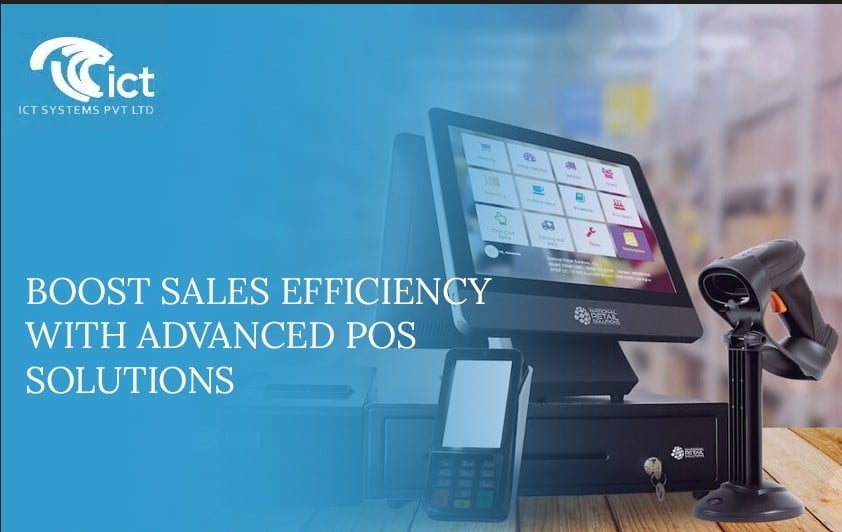
In today’s competitive retail and hospitality landscape, businesses cannot afford inefficient transaction systems. Implementing the right POS solutions is critical for boosting sales, improving customer experience, and streamlining operations. Whether you operate a small café, a boutique retail store, or a large enterprise, Advanced POS Solutions provides the tools needed to manage sales, inventory, and customer data effectively. By investing in modern systems, businesses can save time, reduce errors, and enhance profitability.
Modern POS solutions go beyond simple cash registers—they integrate sales, inventory, analytics, and customer relationship management in one unified platform. With options to track sales in real-time, monitor inventory levels, and generate actionable reports, businesses can make informed decisions quickly.
Why Businesses Need POS Solutions
Retail and hospitality industries face unique challenges: fluctuating demand, inventory mismanagement, and customer dissatisfaction due to slow transactions. POS Solutions address these problems efficiently.
Key Benefits of POS Solutions
- Streamlined Transactions: Automated billing reduces human errors and speeds up checkouts.
- Inventory Management: Real-time tracking ensures optimal stock levels and prevents losses.
- Sales Analytics: Businesses can monitor top-selling items, peak hours, and revenue trends.
- Customer Insights: Capture customer preferences and buying behavior for personalized marketing.
- Multi-Channel Integration: Synchronize in-store sales with online platforms.
According to a report by Statista, businesses using Advanced POS Solutions have seen up to 25% faster transaction times and a 15% increase in repeat customer purchases.
Exploring Advanced POS Solutions
Advanced POS solutions are not just about processing payments—they are a strategic tool to enhance operational efficiency. These systems often include features such as:
Cloud-Based POS Systems
Cloud POS allows business owners to access sales and inventory data remotely. Features include:
- Real-time reporting and analytics.
- Automatic software updates.
- Multi-store management.
Cloud-based systems are particularly beneficial for businesses with multiple locations, as they provide centralized control and consistent data across outlets.
Mobile POS Solutions
Mobile POS systems empower staff to process transactions anywhere within the store or on-site. Features include:
- Wireless payment processing.
- Customer sign-ups and loyalty programs.
- Instant invoice generation.
By using mobile POS, businesses improve customer experience and reduce queues, leading to higher conversion rates.
Integrated Inventory and CRM
The integration of inventory management and customer relationship management ensures:
- Accurate stock levels to prevent overstocking or shortages.
- Personalized marketing based on customer purchase history.
- Automated reorder alerts to suppliers.
This combination helps businesses save time, reduce errors, and retain loyal customers.
How POS Solutions Enhance Sales Efficiency
The main goal of any POS system is to boost sales efficiency. Advanced systems achieve this through:
- Faster Checkout Processes: Automated billing reduces wait times and improves customer satisfaction.
- Optimized Staffing: By analyzing sales patterns, businesses can schedule staff efficiently during peak hours.
- Promotions and Discounts: Easily apply discounts, bundle offers, and loyalty rewards to drive sales.
- Data-Driven Decisions: Track which products are underperforming and adjust pricing or promotions accordingly.
Retailers have reported that implementing Advanced POS Solutions leads to 10–20% growth in sales within the first six months due to better management and customer engagement.
Choosing the Right POS Solutions for Your Business
Not all POS systems are created equal. When selecting the right solution, consider:
- Business Size: Small cafés may need mobile or cloud-based POS, while larger retailers require enterprise-level solutions.
- Industry Needs: Restaurants benefit from table management and kitchen display systems, whereas retail stores require inventory tracking and barcode scanning.
- Integration Capabilities: Ensure compatibility with accounting software, e-commerce platforms, and loyalty programs.
- User-Friendliness: Systems should be intuitive for staff with minimal training.
- Security: Look for solutions with encrypted transactions and robust user authentication.
Expert consultant Lisa Roberts states, “Choosing the right POS system is more than a technology investment—it’s a business strategy. A well-integrated POS system can transform daily operations and directly impact profitability.”
Implementation Best Practices
Once a POS system is selected, proper implementation is critical. Follow these steps:
- Staff Training: Ensure all employees are familiar with the system’s interface and features.
- Data Migration: Transfer existing customer, inventory, and sales data accurately.
- Test Run: Conduct trial runs to identify and resolve potential issues.
- Integration: Connect with accounting, CRM, and e-commerce platforms.
- Monitoring: Continuously monitor system performance and gather feedback for improvements.
Cost Considerations for POS Solutions
The cost of POS solutions varies based on features, scale, and deployment type:
- Cloud POS: Typically subscription-based, ranging from $50–$150/month per terminal.
- Mobile POS: Costs $200–$500 for hardware, plus optional subscription fees.
- Enterprise Solutions: Can range from $2,000–$10,000 upfront with annual maintenance fees.
While costs can be significant, the return on investment is often immediate through time saved, reduced errors, and increased sales.
Advanced POS Solutions and Future Trends
The POS industry is evolving with technology. Some notable trends include:
AI-Powered Analytics
Advanced POS systems now leverage artificial intelligence to:
- Predict sales trends.
- Suggest stock reorder levels.
- Offer personalized product recommendations to customers.
Contactless Payments and Mobile Wallets
With the rise of digital payments, integrating contactless and mobile wallet options is essential for customer convenience and faster checkouts.
Omnichannel Retailing
POS solutions increasingly support omnichannel operations, syncing online and offline sales, inventory, and promotions seamlessly.
IoT and Smart Devices
Integration with smart shelves, scanners, and IoT-enabled devices provides real-time data, helping retailers make instant decisions.
Real-World Success Stories
- Retail Chain Example: A UAE-based electronics store implemented Advanced POS Solutions with integrated CRM. Within three months, repeat customer purchases increased by 18%, and checkout time decreased by 30%.
- Hospitality Example: A café using mobile POS reduced queues during peak hours, boosting overall sales by 12% and improving customer satisfaction ratings.
These examples show how effective POS solutions transform operational efficiency into measurable revenue growth.
FAQs
- What are POS solutions and why are they important?
POS solutions are systems that manage sales transactions, inventory, and customer data. They are important for speeding up checkouts, reducing errors, and improving overall business efficiency. - What is the difference between POS solutions and advanced POS solutions?
Advanced POS solutions include additional features such as integrated CRM, inventory management, analytics, and mobile or cloud capabilities, offering a comprehensive business management tool. - Can small businesses benefit from advanced POS solutions?
Yes. Cloud-based and mobile Advanced POS Solutions are scalable and suitable for small businesses, allowing them to streamline operations without heavy upfront costs. - How much does it cost to implement POS solutions?
Costs vary based on deployment type and features. Cloud systems may cost $50–$150 per month, while enterprise solutions can range from $2,000–$10,000 upfront. - How do POS solutions improve customer experience?
POS systems speed up transactions, allow personalized promotions, track loyalty points, and ensure accurate billing, all of which enhance the customer experience. - Are POS solutions secure for handling payments?
Yes. Most modern POS systems use encrypted transactions, multi-factor authentication, and PCI-compliant protocols to ensure secure payment processing.