


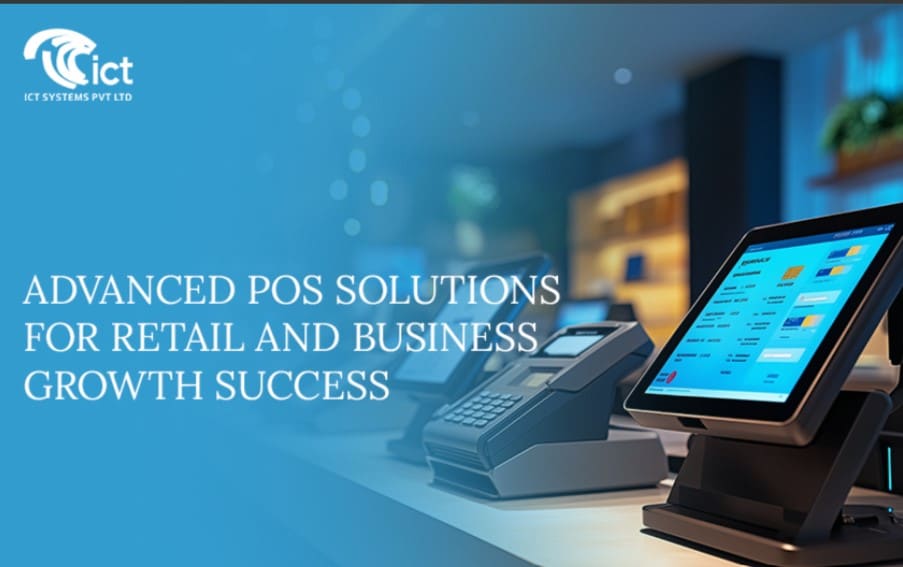
In today’s fast-paced retail environment, POS solutions have become the backbone of efficient operations and seamless customer experiences. Businesses are no longer relying solely on traditional cash registers; instead, they are adopting advanced POS solutions to streamline sales, manage inventory, and drive growth. Leveraging these technologies allows retailers to make data-backed decisions, enhance customer satisfaction, and increase revenue. Industry experts agree that a modern POS system is not just a transactional tool but a strategic partner in business growth.
Retailers and businesses across sectors are increasingly recognizing the importance of integrating POS solutions that cater to their unique needs. From small boutique stores to large franchises, the adoption of advanced POS technology can lead to measurable improvements in efficiency, reporting, and customer engagement. According to a 2024 report by Grand View Research, the global POS terminal market is projected to reach $115 billion by 2030, underscoring the growing reliance on digital sales solutions.
What Are POS Solutions?
A POS solution, or Point of Sale system, is the software and hardware combination that facilitates retail transactions. At its core, a POS system records sales, tracks inventory, and generates receipts. However, modern advanced POS solutions go far beyond these basic functionalities, offering integrated payment gateways, loyalty programs, and real-time analytics.
Key Features of Modern POS Solutions
- Inventory Management: Automated tracking helps prevent stockouts and overstocking.
- Sales Analytics: Provides insights on top-selling products and seasonal trends.
- Customer Management: Enables personalized marketing through loyalty programs.
- Multi-Channel Integration: Connects online and offline sales for a unified view.
- Secure Payments: Supports multiple payment methods including digital wallets.
Retail consultant, Laura Mendes, emphasizes, “Businesses that integrate advanced POS solutions see an average 25% increase in operational efficiency within the first six months.”
Benefits of Advanced POS Solutions for Retail
Implementing advanced POS solutions can transform retail operations. Here’s why businesses are investing in these systems:
1. Streamlined Operations
Modern POS systems automate repetitive tasks like inventory updates, reducing manual errors and freeing staff to focus on customer service. This leads to faster checkouts, fewer mistakes, and happier customers.
2. Enhanced Data Insights
POS systems collect vast amounts of transactional data. Businesses can analyze purchasing patterns, seasonal trends, and customer preferences to make informed decisions. Data-driven retailers are more likely to optimize pricing, promotions, and stock levels effectively.
3. Improved Customer Experience
With features like mobile checkout and integrated loyalty programs, advanced POS solutions create smoother shopping experiences. Customers enjoy convenience and personalized engagement, fostering long-term loyalty.
4. Multi-Location Management
Retail chains and franchises benefit from centralized POS systems, which allow managers to monitor sales and inventory across multiple locations in real-time. This enhances efficiency and ensures consistency in operations.
How Advanced POS Solutions Drive Business Growth
Adopting POS solutions is no longer optional; it is a strategic necessity. Here’s how advanced systems drive growth:
- Upselling and Cross-Selling: POS analytics can suggest related products, boosting average order value.
- Targeted Marketing Campaigns: Customer purchase history enables personalized promotions.
- Operational Cost Reduction: Automated processes reduce labor costs and minimize inventory loss.
- Faster Decision-Making: Real-time reports allow managers to respond quickly to sales trends.
A study by Retail Systems Research found that retailers using integrated POS solutions increased revenue by 20% compared to those using traditional registers.
Choosing the Right POS Solutions for Your Business
Selecting the best POS solutions depends on your business size, industry, and growth goals. Here are some considerations:
1. Scalability
Ensure your POS system can grow with your business. Advanced POS solutions should support multiple locations, expanding product lines, and future integrations.
2. Integration Capabilities
Modern businesses rely on software ecosystems. Look for POS solutions that integrate seamlessly with accounting, CRM, and e-commerce platforms.
3. Security and Compliance
POS systems handle sensitive customer data. Opt for solutions with robust encryption, compliance with PCI DSS standards, and fraud prevention features.
4. User-Friendly Interface
Ease of use is critical. A POS system should be intuitive for staff, reducing training time and operational errors.
5. Customer Support
Reliable support ensures minimal downtime. Leading POS providers offer 24/7 assistance and regular software updates.
Emerging Trends in Advanced POS Solutions
The retail POS landscape is evolving rapidly. Staying aware of trends ensures your business remains competitive.
1. Cloud-Based POS
Cloud-based systems allow remote access, automatic updates, and scalability without costly hardware investments.
2. AI-Powered Analytics
Artificial intelligence enables predictive analytics, helping retailers forecast demand and optimize inventory.
3. Mobile POS Systems
Tablets and smartphones are transforming checkout processes, providing flexibility and enhancing the shopping experience.
4. Contactless Payments
With growing adoption of digital wallets and NFC payments, POS solutions must support fast, secure, and convenient payment options.
Success Stories: Businesses Leveraging Advanced POS Solutions
Several brands have achieved significant growth by adopting advanced POS solutions:
- Boutique Fashion Stores: Implementing POS with integrated CRM led to personalized marketing campaigns, boosting repeat customers by 30%.
- Coffee Chains: Mobile POS systems reduced wait times and increased daily sales by 18%.
- Multi-Outlet Supermarkets: Centralized inventory management prevented stockouts, saving over $100,000 annually.
These examples highlight how POS solutions are not just tools but catalysts for business expansion.
Challenges and Considerations
While POS solutions offer numerous benefits, businesses should be aware of potential challenges:
- Implementation Costs: Initial setup and training can be expensive, especially for small retailers.
- System Downtime: Cloud-based systems require reliable internet; disruptions can affect operations.
- Data Security Risks: Handling sensitive customer information necessitates strong cybersecurity measures.
- Staff Adaptation: Employees may need time and training to transition to advanced systems.
Addressing these challenges proactively ensures smooth integration and maximizes the return on investment.
Future of POS Solutions
The future of retail will be increasingly data-driven and customer-centric. Advanced POS solutions will continue to evolve, integrating technologies such as:
- Augmented Reality (AR) for virtual try-ons
- IoT Integration for smart inventory management
- Blockchain for secure transactions and supply chain transparency
Retailers adopting these innovations early will gain a competitive edge and build long-lasting customer relationships.
FAQs About POS Solutions
- What is the difference between POS solutions and advanced POS solutions?
POS solutions record transactions and manage basic inventory. Advanced POS solutions provide analytics, loyalty programs, multi-channel integration, and enhanced reporting for business growth. - How much does an advanced POS solution cost?
Costs vary based on features, number of users, and hardware requirements. Cloud-based solutions often have subscription models ranging from $50 to $300 per month. - Can POS solutions integrate with e-commerce platforms?
Yes, most modern POS systems support integration with platforms like Shopify, WooCommerce, and Magento, ensuring unified sales and inventory management. - Are POS solutions secure for handling payments?
Reputable POS systems use encryption and comply with PCI DSS standards to protect sensitive customer information. - Can small businesses benefit from advanced POS solutions?
Absolutely. Small businesses can improve efficiency, reduce manual errors, and create personalized customer experiences through advanced POS systems. - How do POS solutions help in inventory management?
Advanced POS solutions track stock levels in real-time, generate alerts for low inventory, and forecast demand to prevent overstocking or shortages.