


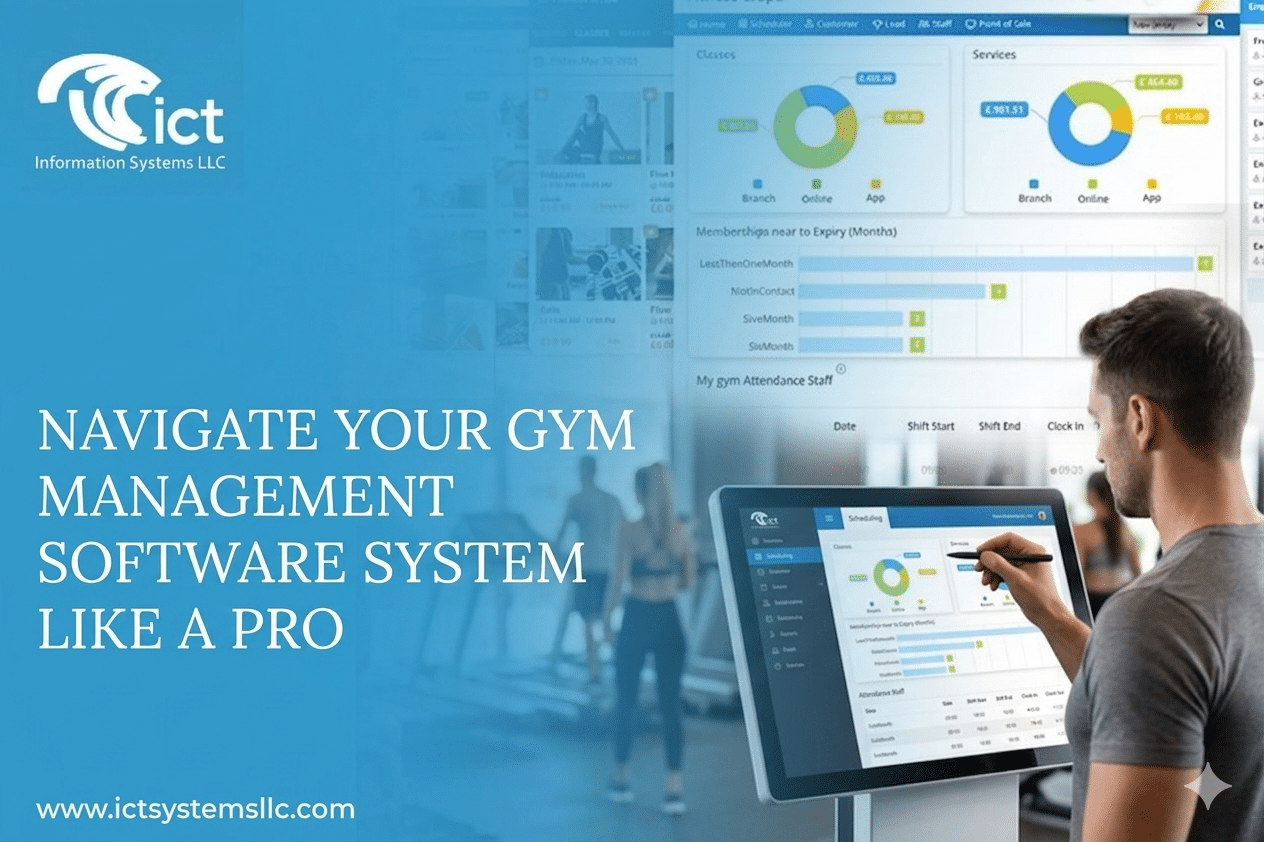
Managing a modern gym efficiently requires more than just passion for fitness—it demands organization, tracking, and seamless member management. This is where a Gym Management Software System comes into play. Designed to simplify daily operations, track memberships, and optimize scheduling, it has become an essential tool for gym owners and fitness managers alike. Learning how to navigate a gym management software system like a pro can save time, reduce errors, and enhance the overall member experience.
In this guide, we’ll explore the key features, expert tips, and best practices to ensure you get the most out of your gym management software system.
Why a Gym Management Software System is Essential
Gym operations involve multiple moving parts—from membership management and class scheduling to payments and reporting. Without an organized system, these tasks can quickly become overwhelming.
According to a survey conducted by the International Health, Racquet & Sports club Association (IHRSA), gyms that use a robust Gym Management Software System report a 30% increase in operational efficiency and a 20% improvement in member retention.
Key Benefits of Using a Gym Management Software System
- Streamlined Member Management – Easily track memberships, attendance, and progress.
- Automated Billing and Payments – Reduce manual errors and improve cash flow.
- Class and Schedule Management – Organize group sessions, personal training, and online classes.
- Data-Driven Insights – Access real-time reports on revenue, attendance, and retention.
- Enhanced Member Experience – Offer members a seamless booking system and personalized notifications.
With these advantages, understanding how to navigate a Gym Management Software System like a pro becomes a key factor in maximizing efficiency.
Core Features of a Gym Management Software System
To get the most out of your software, it’s important to understand the core modules it offers.
- Membership Management
Managing memberships is the backbone of any fitness center. Most systems allow you to:
- Track active and expired memberships
- Automate renewal reminders
- Offer multiple membership tiers
By mastering this feature, you can significantly improve member satisfaction and retention.
- Attendance Tracking
Modern Gym Management Software Systems use barcode scanners or RFID-enabled access control to monitor member attendance. This helps:
- Identify peak hours
- Reward loyal members
- Optimize staffing
Tracking attendance data also enables better decision-making for scheduling classes and personal training sessions.
- Class Scheduling & Booking
A user-friendly scheduling feature allows members to book classes in advance. As a gym manager, you can:
- Create recurring classes
- Limit class sizes
- Automatically notify members of changes
Learning to navigate a Gym Management Software System like a pro ensures that you can handle scheduling conflicts and last-minute cancellations efficiently.
- Billing & Payments
One of the biggest pain points in gym management is handling payments. The right software offers:
- Automated billing cycles
- Multiple payment gateways (credit card, bank transfer, e-wallets)
- Refund management
According to an industry report, gyms with automated billing systems experience 25% fewer payment delays and significantly reduced administrative workload.
- Reporting & Analytics
Data is power. With reporting modules, you can:
- Monitor revenue streams
- Track member growth
- Analyze class popularity
Advanced analytics even allow predictive insights, helping gym managers make strategic decisions.
How to Navigate a Gym Management Software System Like a Pro
Mastering your software requires understanding its interface and features thoroughly. Here’s how to do it efficiently:
Step 1: Familiarize Yourself with the Dashboard
The dashboard is the control center. Key elements include:
- Membership stats
- Upcoming classes
- Payment alerts
- Attendance summaries
Spend time exploring the dashboard layout and customizing it to highlight metrics most relevant to your operations.
Step 2: Customize Member Profiles
A personalized approach improves member engagement. Update profiles with:
- Membership type and duration
- Fitness goals
- Booking history
These insights enable trainers to provide tailored recommendations and increase member satisfaction.
Step 3: Automate Notifications
Notifications are essential for engagement. Set up:
- Class reminders
- Payment alerts
- Personalized promotions
Automation saves time and ensures consistent communication.
Step 4: Leverage Reporting Tools
Run reports weekly or monthly to track:
- Revenue trends
- Membership growth
- Peak attendance times
Regular analysis allows for strategic adjustments and better resource allocation.
Step 5: Integrate with Other Tools
Many gyms use third-party integrations for:
- Accounting
- Email marketing
- Fitness tracking apps
Integrating these tools with your Gym Management Software System streamlines workflow and centralizes data.
Advanced Tips for Experts
Even seasoned gym managers can benefit from pro-level tips:
- Segment Your Members
Use software analytics to group members by activity type, age, or preferences. This allows for targeted promotions and retention strategies.
- Optimize Class Schedules
By analyzing attendance patterns, you can adjust class timings for maximum participation.
- Monitor Trainer Performance
Track trainer-led sessions, member feedback, and attendance trends to identify top-performing staff and areas for improvement.
- Implement Online Booking
Offering a mobile-friendly booking system improves member convenience and reduces front-desk workload.
- Track Key Performance Indicators (KPIs)
Important KPIs include:
- Member retention rate
- Average revenue per member
- Attendance consistency
Common Challenges and Solutions
Even with a great system, gym managers encounter challenges. Here’s how to overcome them:
Challenge 1: Data Overload
Solution: Use dashboards and filters to focus on key metrics instead of raw data.
Challenge 2: Member Resistance to Technology
Solution: Offer tutorials, onboarding sessions, and incentives for using the software.
Challenge 3: Scheduling Conflicts
Solution: Utilize automated conflict detection and member notifications to prevent issues.
Challenge 4: Payment Delays
Solution: Enable automated recurring payments and reminders for overdue invoices.
Expert Insight
Fitness consultant Dr. Amanda Lewis, who has helped over 50 gyms implement management software, says:
“Understanding your gym management system is like having a personal assistant for your business. It frees up time to focus on member experience, which ultimately drives retention and revenue.”
Benefits of Navigating Your System Like a Pro
- Time Efficiency: Automate repetitive tasks.
- Better Member Experience: Tailored services and communication.
- Data-Driven Decisions: Make informed choices using analytics.
- Financial Accuracy: Reduce errors in billing and reporting.
- Staff Productivity: Allocate resources effectively and track performance.
Conclusion
A Gym Management Software System is more than just a tool—it’s the backbone of modern fitness centers. Learning to navigate a Gym Management Software System like a pro ensures operational efficiency, better member engagement, and overall business growth. By leveraging advanced features, automation, and analytics, gym managers can focus on what truly matters: providing exceptional fitness experiences for every member.
FAQs
- What is a Gym Management Software System?
It is a digital platform designed to manage memberships, schedules, payments, and reporting for gyms and fitness centers.
- How can I use the software like a pro?
Master the dashboard, customize member profiles, automate notifications, and leverage reporting tools for strategic decisions.
- Can it improve member retention?
Yes, using the software for personalized communication, class management, and progress tracking enhances member engagement.
- Do these systems support online booking?
Most modern software offers mobile-friendly online booking for classes, personal training, and other services.
- Is it worth integrating with other tools?
Absolutely. Integrations with accounting, marketing, or fitness apps streamline operations and consolidate data.
- How often should I check analytics?
Weekly or monthly analysis is recommended to monitor performance trends and make informed decisions.